Have you ever felt like your expertise could be worth so much more? Are you frustrated by the glass ceiling in your 9-to-5 job, or the limitations of freelancing? If so, it’s time to unlock your true earning potential by leveraging the power of online courses.
Online courses have become a game-changer for professionals, entrepreneurs, and subject matter experts who want to turn their knowledge into a sustainable and scalable revenue stream. In fact, the global online education market is projected to reach a staggering $374.3 billion by 2026, growing at a compound annual rate of over 9% [1].
The beauty of online courses is that they allow you to package your unique skills and experiences into an evergreen product that can generate passive income for years to come. Whether you’re an experienced coach, a sought-after consultant, or a passionate hobbyist, there’s an audience out there hungry for the insights and techniques you have to offer.
How to Create and Sell Online Courses
In this comprehensive guide, we’ll walk you through the step-by-step process of creating and selling profitable online courses. From identifying your most lucrative topics to marketing your courses effectively, you’ll learn proven strategies to transform your expertise into a thriving online business.
Table of Contents
Identifying Your Most Profitable Online Course Topics
The first step in monetizing your expertise through online courses is to identify the topics that have the highest potential for profitability. While it’s tempting to dive into creating a course on a subject you’re deeply passionate about, it’s important to ensure that there’s also a strong market demand for that knowledge.
Start by brainstorming a list of topics where you possess deep expertise, whether it’s from your professional experience, formal education, or personal hobbies and interests. Then, use tools like Google Trends, Ubersuggest, and AnswerThePublic to research the search volume, competition, and commercial intent around those topics.
Look for keywords and phrases that have a high search volume, indicating a significant audience interested in that subject matter. Additionally, pay attention to the commercial intent of those searches – are people actively looking to buy courses or learning materials on that topic?
Another helpful tactic is to survey your existing audience, if you have one, or reach out to potential students in your industry. Ask them about the specific challenges they’re facing, the skills they’re trying to develop, and the types of courses they’d be willing to invest in. This direct feedback can help you pinpoint the most profitable and in-demand course ideas.
Related: How to Conduct Effective Keyword Research for Blogs
Creating a Compelling Course Outline
Once you’ve identified your most promising course topics, it’s time to start planning the content. Begin by outlining the key modules, lessons, and learning objectives that will make up your course.
Think about the logical flow of the information and how you can break down the subject matter into bite-sized, easily digestible chunks. Aim to create a curriculum that not only imparts valuable knowledge but also guides students through a transformative learning experience.
As you’re outlining your course, consider the following best practices:
- Start with the end in mind: Clearly define the specific outcomes and skills your students will have mastered by the time they complete the course. This will help you tailor the content and structure to achieve those desired results.
- Organize for maximum impact: Structure your course in a way that builds upon previous lessons, creating a sense of progression and momentum for your students. Use descriptive module and lesson titles to make the navigation intuitive.
- Incorporate multimedia elements: Leverage a variety of content formats, such as video lectures, interactive exercises, infographics, and downloadable resources, to cater to different learning styles and keep your students engaged.
- Encourage active learning: Incorporate opportunities for students to apply what they’ve learned through practical activities, case studies, and discussions. This hands-on approach will help cement the knowledge and skills they’re acquiring.
- Maintain a conversational tone: Throughout your course, aim to maintain a friendly, approachable, and conversational tone. This will help build rapport with your students and make the learning experience feel more personalized.
Selecting the Right Online Course Platform
With your course outline in place, it’s time to choose the platform that will host your online course. There are numerous options available, each with its own set of features, pricing structures, and target audiences. Some of the most popular platforms include:
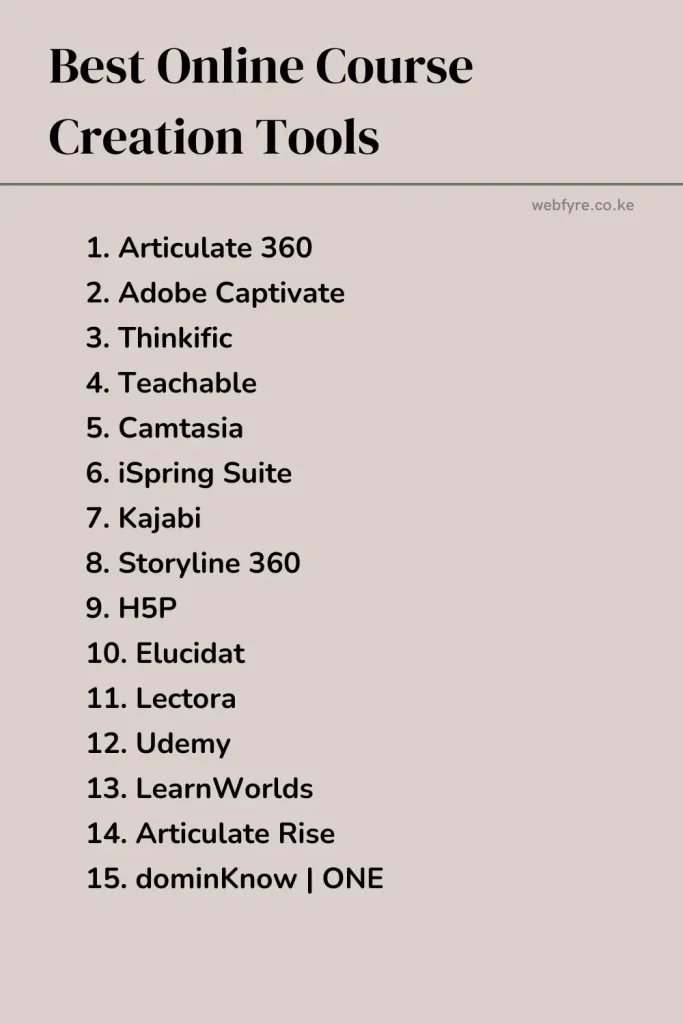
- Udemy: One of the largest and most well-known online course marketplaces, Udemy offers a wide range of courses across various categories. It’s a relatively low-barrier entry point for new course creators, but you’ll have to compete with thousands of other courses on the platform.
- Teachable: A user-friendly, all-in-one platform that allows you to create, host, and sell your online courses. Teachable offers a range of customization options and features, making it a popular choice for more experienced course creators.
- Thinkific: Similar to Teachable, Thinkific provides a comprehensive suite of tools for building and marketing your online courses. It’s known for its intuitive interface and robust marketing features.
- Kajabi: Kajabi is a powerful all-in-one platform that not only hosts your online courses but also helps you manage your entire online business, including email marketing, sales funnels, and membership sites.
- Podia: A relatively newer player in the online course space, Podia offers a clean and visually appealing platform with a focus on simplicity and ease of use.
When selecting a platform, consider factors such as pricing, transaction fees, branding and customization options, student engagement tools, and the overall user experience. It’s also worth exploring platforms that integrate with your existing marketing and sales tools, such as email providers and payment gateways.
Related: 15 Best Online Course Creation Tools to Revolutionize Your E-Learning Content
Crafting Engaging Course Content
With your course outline and platform in place, it’s time to start creating the actual content. This is where your expertise and teaching skills will really shine through. Remember, your goal is to deliver an exceptional learning experience that keeps your students engaged and motivated throughout the course.
Begin by recording high-quality video lectures that clearly explain the key concepts and techniques. Utilize visual aids, such as slide decks or whiteboard animations, to enhance the learning experience. Aim for concise, bite-sized videos that are easy to follow and digest.
In addition to video lectures, incorporate a variety of other content formats to cater to different learning styles. This could include:
- Interactive quizzes and assessments to reinforce the material
- Downloadable workbooks, checklists, or templates for hands-on application
- Case studies or real-world examples to illustrate key lessons
- Discussion forums or live Q&A sessions to foster community and engagement
As you’re creating your course content, keep the following tips in mind:
- Establish credibility: Demonstrate your expertise and authority through your content, sharing relevant personal experiences, industry insights, and proven strategies.
- Foster an emotional connection: Incorporate personal anecdotes, relatable analogies, and empathetic language to build a deeper connection with your students.
- Maintain a consistent brand and tone: Ensure that your course branding, visuals, and messaging align with your overall brand identity and the desired learning experience.
- Prioritize clarity and simplicity: Avoid jargon and overly complex explanations. Break down complex topics into easy-to-understand, actionable steps.
- Encourage active participation: Regularly incorporate opportunities for students to apply what they’ve learned, such as exercises, challenges, or reflection prompts.
By creating a compelling, high-quality course, you’ll not only attract more students but also increase the likelihood of positive reviews, recommendations, and repeat business.
Online Course Marketing Strategies
Once you’ve developed your course content, it’s time to focus on marketing and selling your offering. This is a critical step in the process, as even the most exceptional course will struggle to gain traction without a well-executed promotional strategy.
Start by optimizing your course landing page for search engine visibility. Incorporate your primary keyword, as well as other relevant terms throughout the page’s content, title tags, and meta descriptions. Additionally, leverage schema markup to enhance your page’s appearance in search engine results.
Next, explore a variety of marketing channels to reach your target audience. Some effective strategies include:
- Social media promotion: Share engaging, value-added content on platforms like LinkedIn, Twitter, and Instagram to build brand awareness and attract potential students.
- Email marketing: Leverage your existing email list (or build a new one) to promote your course offerings and stay top-of-mind with your audience.
- Influencer and affiliate partnerships: Collaborate with industry influencers or complementary businesses to cross-promote your course and tap into their established audiences.
- Paid advertising: Experiment with platforms like Google Ads, Facebook Ads, or LinkedIn Ads to reach a larger, targeted audience and drive course enrollments.
- Content marketing: Publish informative blog posts, videos, or webinars that showcase your expertise and drive traffic to your course landing pages.
As you’re promoting your course, be sure to emphasize the unique value proposition and key benefits that your students will gain. Highlight the transformation they can expect to achieve, the skills they’ll acquire, and the problems your course will help them solve.
Additionally, consider offering limited-time discounts, bundle packages, or referral incentives to incentivize early enrollments and generate initial momentum.
Optimizing for Long-Term Success
Creating and selling a successful online course is an ongoing process, not a one-time event. To ensure long-term success, it’s essential to continuously monitor your course’s performance, gather student feedback, and make iterative improvements.
Start by tracking key metrics such as enrollment numbers, course completion rates, student satisfaction scores, and revenue generated. Use this data to identify areas for improvement and make data-driven decisions about course updates, marketing strategies, and pricing.
Additionally, engage with your students regularly to understand their pain points, learning preferences, and overall satisfaction with the course. This feedback can inform content revisions, the addition of new modules or resources, and the development of future course offerings.
As you continue to refine and expand your course catalog, consider ways to strengthen your online presence and build your brand authority. This could include:
- Optimizing for search engines: Regularly update your course content and landing pages to maintain strong SEO performance and keep your offerings visible in search results.
- Diversifying your content: Supplement your online courses with blog posts, videos, webinars, and other content formats to establish yourself as a thought leader in your industry.
- Fostering a vibrant student community: Encourage course participants to connect with one another, share their experiences, and provide peer-to-peer support.
- Leveraging user-generated content: Invite students to submit reviews, testimonials, or case studies that you can use to promote your courses and build social proof.
By continuously improving and expanding your online course offerings, you’ll be well on your way to building a sustainable, scalable, and profitable online education business.
Conclusion

Monetizing your expertise through online courses is a powerful way to transform your knowledge into a thriving and passive income stream. By following the strategies outlined in this comprehensive guide, you’ll be able to identify your most profitable course topics, create engaging and valuable content, effectively market and sell your offerings, and optimize for long-term success.
Remember, the key to unlocking your full earning potential lies in your ability to package your unique skills and experiences into a transformative learning experience that resonates with your target audience. With the right approach and execution, your online courses can become a game-changer for your career and financial future.
So, what are you waiting for? Start leveraging your expertise and build the online course business of your dreams!